Quality Garage Door and More
Replacing Garage Door Springs: A Comprehensive Guide
Learn how to safely replace garage door springs with our step-by-step guide. Understand the tools needed, safety precautions, and the replacement process to ensure a smooth operation and avoid potential hazards.
Understanding Garage Door Springs
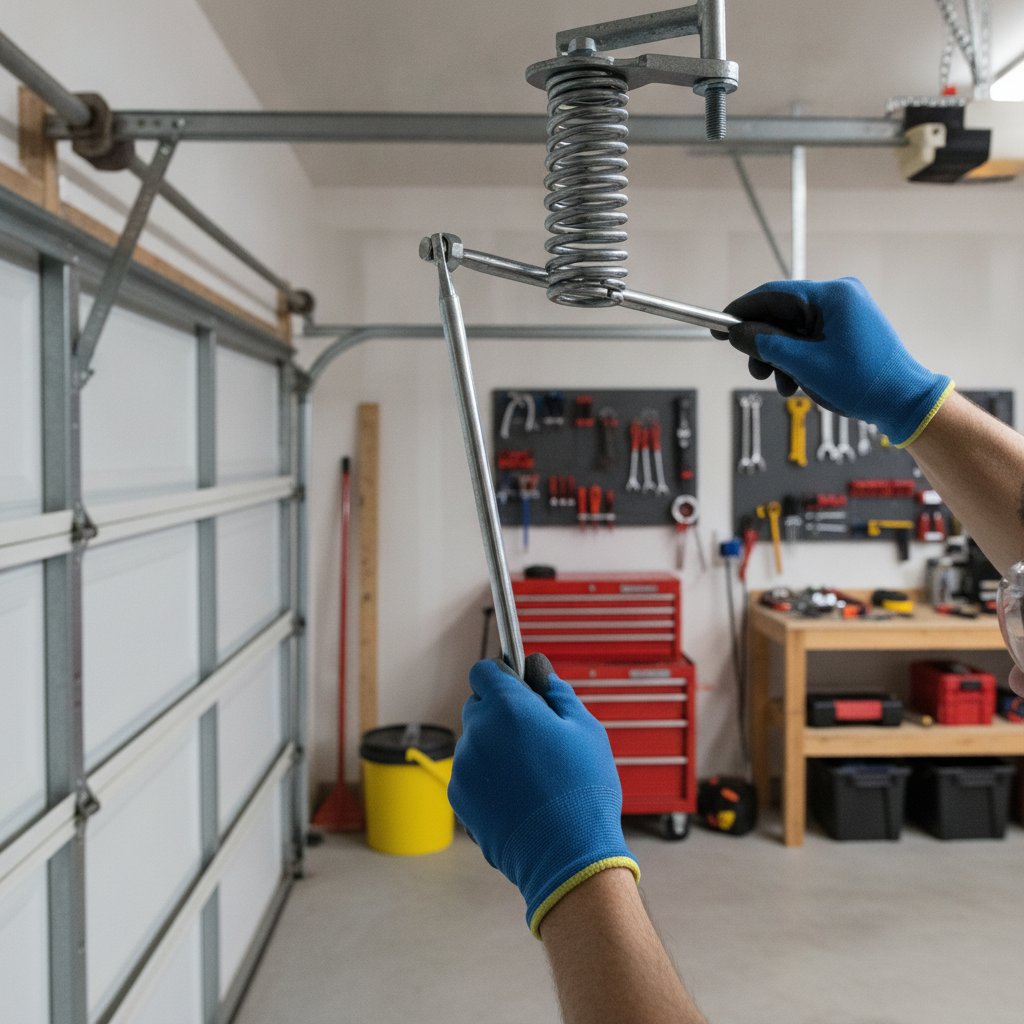
Garage door springs are essential components that balance the weight of the door, making it easy to open and close. There are two main types: torsion springs and extension springs, each serving a crucial role in the door's function.
Torsion springs are mounted above the door and work by twisting on a horizontal bar. Extension springs, on the other hand, are located on either side of the door and extend when the door is in operation.
- Torsion springs offer more control and are safer.
- Extension springs are less expensive but can be more dangerous if they break.
Signs Your Garage Door Springs Need Replacement
Recognizing the signs of worn-out springs is crucial for maintaining your garage door. Common indicators include difficulty in opening the door, a crooked door, and visible wear on the springs.
If you notice a loud bang from the garage, it's likely a spring has broken, and immediate attention is required.
- Difficulty in lifting the door manually.
- A gap in the torsion spring.
- Visible rust or corrosion on the springs.
Safety Precautions Before Replacing Springs
Safety is paramount when working with garage door springs. Ensure you have a clear understanding of the process and take necessary precautions to prevent injuries.
Always use the correct tools and wear protective gear such as safety glasses and gloves.
- Disconnect the garage door opener.
- Secure the door in the open position.
- Use a sturdy ladder and have a partner assist you.
Step-by-Step Guide to Replacing Garage Door Springs
Replacing garage door springs requires precision and patience. Follow these steps carefully to ensure a successful replacement.
Begin by loosening the set screws on the winding cone, followed by cautiously unwinding the broken spring using winding bars.
- Measure the old springs to get the correct size for replacement.
- Install the new springs by winding them onto the torsion bar.
- Test the door balance to ensure smooth operation.
When to Call a Professional
While DIY replacement can be cost-effective, certain situations call for professional expertise. If you're unsure about any step or lack the proper tools, it's best to hire a professional.
Professionals can handle the replacement safely and efficiently, ensuring your garage door's longevity and functionality.
- Lack of experience or confidence in handling the task.
- Complex spring systems or multiple springs need replacement.
- Avoiding risk of injury or property damage.
Frequently Asked Questions
Can I replace garage door springs myself?
Yes, but it requires careful attention to safety and proper tools. If unsure, it's best to hire a professional.
How often should garage door springs be replaced?
Typically every 7-9 years, depending on usage frequency and maintenance.
Need Professional Help with Garage Door Springs?
Replacing garage door springs can be daunting and risky. Ensure safety and effectiveness by contacting our experienced technicians for expert assistance.